
2026 Reading List
I'm Writing A Book

I don’t usually set New Years Resolutions but within the first few days of the year, an idea came to me for a book.
I am going to keep it a bit of a secret/behind the scenes on Patreon where I will be hosting more video and audio content. What I want to share here is the reading list I have prepared while building the books outline. I wanted to share with you all as a bit of a spoiler and to showcase my process of writing.
I have read a few of these but most are new to me and I am soooooo excited. You can likely expect essays and reviews on the following as I make my way through the list on here and deeper dives on Patreon (girls gotta eat, and so does my dog lol)
Édouard Glissant - Poetics of Relation (1990)

Glissant argues for the "right to opacity"—the right of the colonized subject to remain unknowable and unmapped. It proposes a "politics of relation" where differences coexist without one absorbing the other. I am interested in reading this as a potential framework for resisting the total surveillance of the digital state.
Silvia Federici – Caliban and the Witch: Women, the Body and Primitive Accumulation (2004)

I love this book, I have read sections but never the full book through. In this book, Federici argues that the transition to capitalism required the "enclosure" of the female body (the witch hunts) just as it required the enclosure of the land.
Legacy Russell – Glitch Feminism (2020)
I love this short read. The concept of a glitch has been on my mind for years. In this book, Russell argues that the "glitch" is not an error, but a refusal. By embracing the malfunction, the avatar, and the slip, marginalized bodies can escape the "corporeal" trap of the physical world. It is a manifesto for becoming un-readable to the system.
Nicole Starosielski – The Undersea Network: (Sign, Storage, Transmission) (2015)

I read this years ago in a digital geographies course while in uni for my masters. What I like about it is how this book provides a material history of the internet that ignores the "cloud" to focus on the ocean floor. Starosielski tracks the physical fiber-optic cables that carry the world's data, mapping them onto colonial trade routes and tectonic fault lines. In doing so, the book demystifies the internet, proving it is not an ethereal spirit but a heavy, industrial infrastructure vulnerable to sharks, earthquakes, and geopolitics. I am excited to return to this, it really shaped my perspectives on the physical geographies that internet infrastructure takes up and how fucked Amazon Web Services is.
Iris Marion Young – On Female Body Experience: “Throwing Like a Girl” And Other Essays (2005)

This book is everything. I love and am overdue for a read. Th short but book is a phenomenological study of how women exist in physical space. Young introduces the concept of "Throwing Like a Girl," arguing that patriarchal socialization causes women to physically restrict their own movement, occupying as little space as possible. This book heavily inspired my masters research and I am curious how a re-read will land almost a decade later.
Susan Sontag – Illness as Metaphor and AIDS and Its Metaphors (1978)
This book offers a critical dismantling of how society linguistically frames disease. Sontag argues that metaphors like "battling" cancer or the "plague" of AIDS strip illness of its biological reality and pile moral judgment onto the patient. I am interested in this book from the perspective of how things have changed/stayed the same since the publishing of this book almost 50 years ago.
Donna Haraway – A Cyborg Manifesto: Science, Technology, and Socialist Feminism (1985)
(insert orgasmic exhale)
Haraway rejects the return to "Nature" or "Goddess" worship, arguing instead that women should embrace the cyborg—a hybrid of machine and organism—to fracture the binaries of gender. It is a call to be "unfaithful" to your origins. I love you Donna. Thank you for this incredible piece of literature.
Sadie Plant – Zeros and Ones (1997)

Excited for this cyberfeminist classic that links the history of weaving to the history of computing (the Jacquard loom). Plant argues that women have always been the "weavers" of intelligence, and that the digital network is inherently female/fluid, destined to dismantle the rigid "zeros and ones" of patriarchy.
Gillian Rose - Feminism and Geography: The Limits of Geographical Knowledge (1993)
This is like feminist geography 101. An essential text. Rose argues that the discipline of geography itself is “masculinist”—obsessed with maps, transparency, and the “god-trick” of seeing everything from nowhere. Not to mention the whole mind-body duality b.s. She introduces the “paradox of space”—women are often trapped in space (the home/body) but denied the right to claim space.
Nick Dyer-Witheford & Alessandra Mularoni - Cybernetic Circulation Complex: Big Tech and Planetary Crisis (2015)
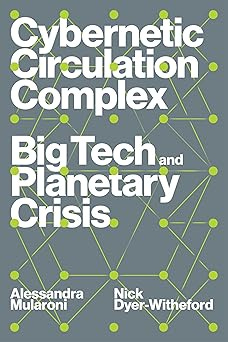
A Marxist analysis of the information age that tracks how the "proletariat" became the "cyber-proletariat," arguing that the machine didn't liberate labor; it just intensified the speed of exploitation globally. Yes, please
Steve Silberman – NeuroTribes: The Legacy of Autism and the Future of Neurodiversity (2015)
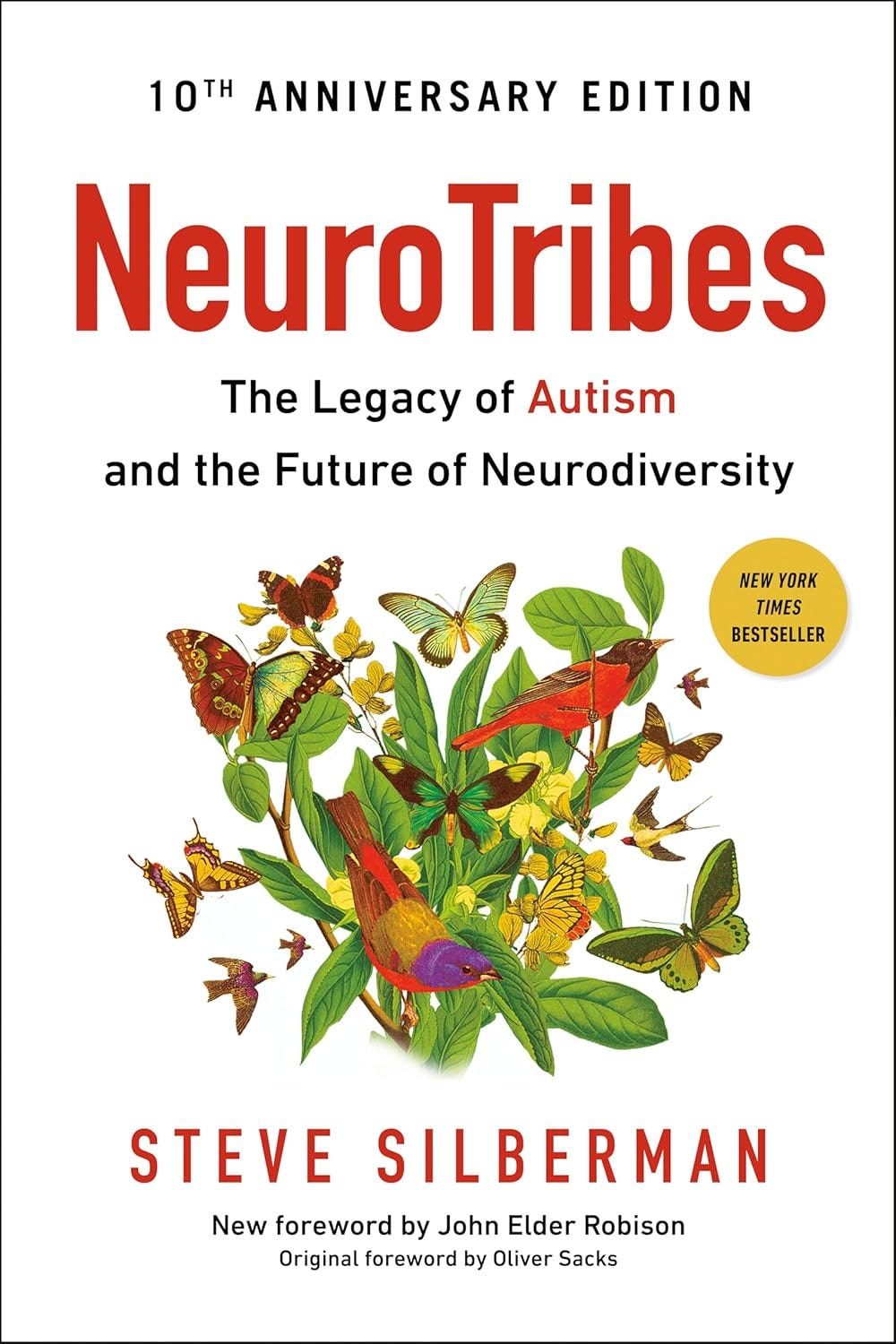
This one has been on my TBR for a while. In this book, Silberman rewrites the history of autism, moving it from a "modern epidemic" to a "suppressed tribe." The author documents how the original research on autism (Asperger/Kanner) was split by Nazi eugenics—one side wanted to teach them, the other wanted to exterminate them.
Julia Kristeva – Powers of Horror: An Essay on Abjection (1980)
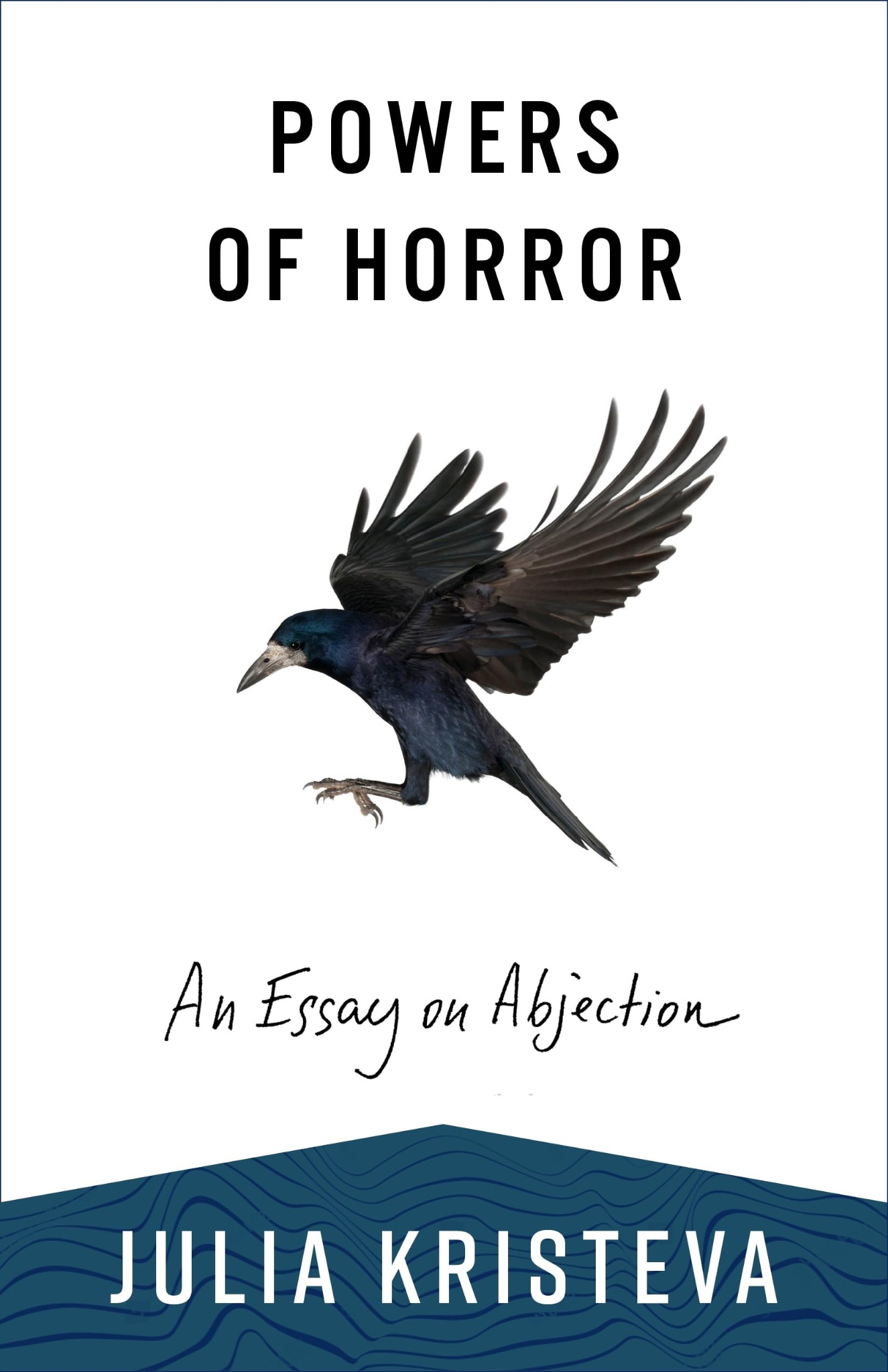
Another favorite that radically changed my world view. Kristeva defines "The Abject"—that which is cast off (vomit, blood, rot) to maintain the clean boundaries of the "Self." She argues that encountering the abject causes a primal horror because it reminds us of our own mortality.
Sara Ahmed – The Cultural Politics of Emotion (2004)
My favorite author but a book I have never read through fully. Ahmed tracks how emotions like "hate," "fear," and "love" circulate through bodies and texts. She introduces the concept of "sticky affect"—how certain bodies (Muslims, Queers) get "stuck" with negative feelings (disgust/fear) simply by existing in public.
Liz Pelly – Mood Machine: The Rise of Spotify and the Costs of the Perfect Playlist (2025)
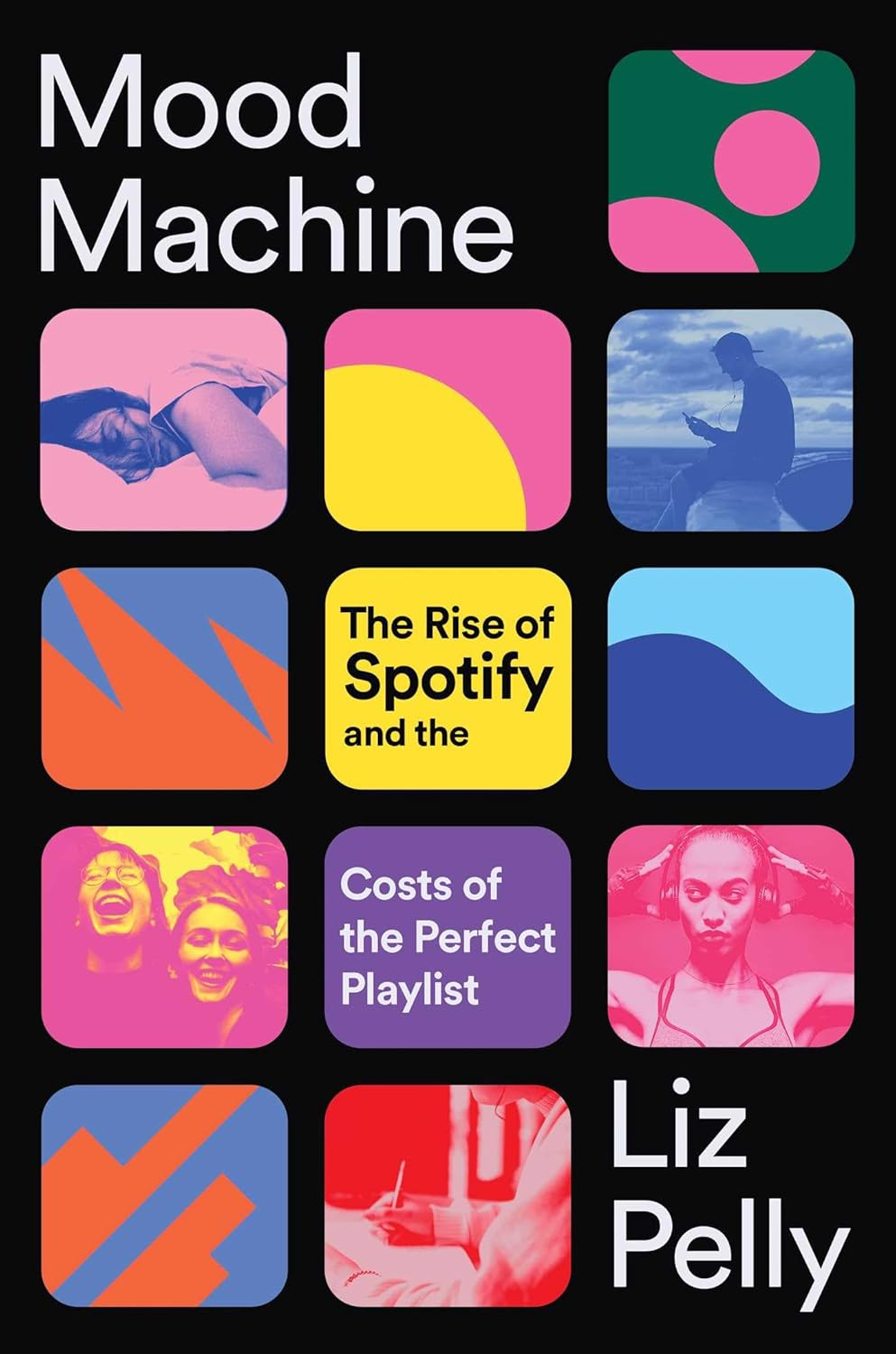
I think I probably most excited for this one. It looks pretty and seems reall cool. This book is based on Pelly’s critique of the "Spotify-ification" of music. Pelly argues that streaming platforms favor "functional" music (Chill Lo-Fi Beats to Study To) over "confrontational" art, slowly eroding the capacity for deep listening. It describes a feedback loop where human emotion is flattened into data points to be sold back to the user as a "mood."
Ruha Benjamin – Race After Technology: Abolitionist Tools for the New Jim Code (2019)
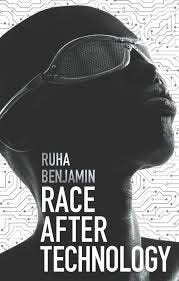
Benjamin introduces the concept of the "New Jim Code," arguing that automated systems do not fix human bias but hide it behind a veneer of objectivity. The book documents how algorithms used in policing, healthcare, and finance reproduce racial hierarchy at a scale and speed that human laws cannot catch. It reframes "glitches" not as errors, but as design features of a carceral system which I am really excited to learn about to further my understanding of glitches and privilege.
Cedric Robinson – Black Marxism: The Making of the Black Radical Tradition (1983)
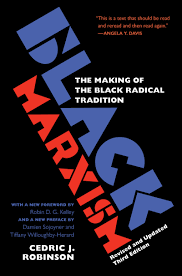
This has also been on my TBR for a while. It feels like an important read to further deconstruct white supremacy in my life and in my relations. Robinson coins the term "Racial Capitalism," arguing that capitalism has always relied on the severe differentiation of value between human beings (slavery, colonialism).
Andre Brock – Distributed Blackness: African American Cybercultures (2020)
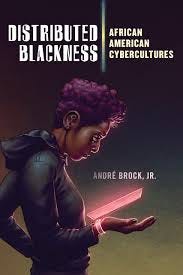
This book looks really cool. The author, Brock, introduces "Critical Technocultural Discourse Analysis" (CTDA) to argue that Blackness is not "additive" to the internet, but foundational to it. He reframes "Black Twitter" not just as a subculture, but as a display of "Black Joy" and linguistic innovation that powers the platform's cultural relevance. Fuck yes please.
Meredith Clark – We Tried to Tell Y’all: Black Twitter and the Rise of Digital Counternarratives (2025)
This book is the definitive history of "Black Twitter" not as a hashtag, but as a "Black Digital Homeplace." Clark argues that Black users created a "counter-public" that operated in plain sight, using double-meanings to organize resistance while baffling the white mainstream.
Cara Daggett – Petro-masculinity: Fossil Fuels and Authoritarian Desire (2018)
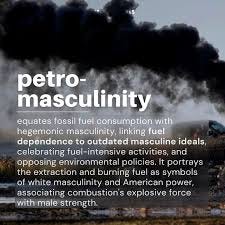
Living in Alberta, Canada, this article really piques my interest. In this book, Daggett connects the burning of fossil fuels to the fragility of white masculinity. She argues that "rolling coal" and climate denial are not just economic stances, but psychosexual attempts to reassert dominance in a changing world. I’m curious how this will read given the recent global news.
Judith Butler – Gender Trouble: Feminism and the Subversion of Identity (1990)
Another classic. Butler introduces "performativity," the idea that gender is not something you are, but something you do through repetition. I can’t think of much else to say about this now because I am distracted trying to remember the funny Judith Butler meme that I hope I remember to dig up and share in the notes after I finish this post.
Sandra Lee Bartky – Femininity and Domination: Studies in the Phenomenology of Oppression (2006)

This book/chapter is so good. I am particularly interested in re-reading this one chapter where Bartky applies Foucault's panopticon to the female body. She argues that women internalize the "male gaze," policing their own diet, makeup, and movement even when no one is watching. I might read the whole thing if I can find an audiobook version. Side note: do you prefer audio or good old paper books?
Erving Goffman – The Presentation of Self in Everyday Life (1959)
Curious to check out this classic where Goffman uses the theater metaphor ("front stage" vs. "back stage") to explain social interaction.
Simone Browne: Dark Matters: On the Surveillance of Blackness (2015)
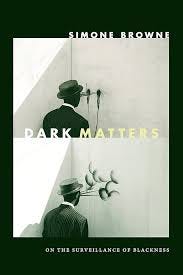
In this book, Browne traces modern digital surveillance back to the Trans-Atlantic Slave Trade. She argues that "biometrics" are inherently anti-Black, designed to catalogue and control the racialized body.
Katherine McKittrick – Demonic Grounds Black Women and the Cartographies of Struggle (2006)
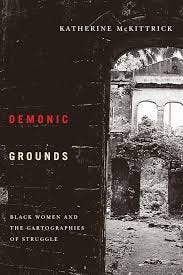
I have read other books and articles by this author. In this one, McKittrick argues that geography is not neutral; it is a tool of racial domination. She maps how Black women have historically created "demonic grounds"—spaces of resistance outside the official map.
David Harvey – Rebel Cities: From the Right to the City to the Urban Revolution (2012)
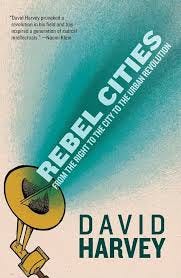
Harvey applies the "Right to the City" to modern urbanism. He argues that the city is a site of class struggle, where capital tries to remake the space for profit, and people try to remake it for life.
Theri Alyce Pickens – Black Madness :: Mad Blackness (2019)
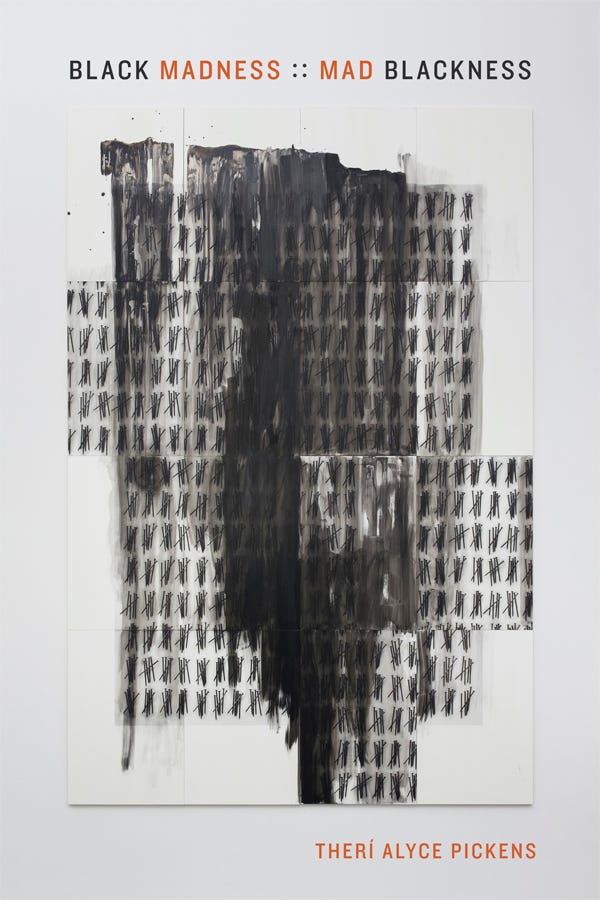
A theoretical intervention at the intersection of Black Studies and Disability Studies. Pickens refuses the choice between "race" and "madness," arguing they are co-constitutive. The book explores how Blackness is often pathologized as madness, and how madness is racialized, disrupting the standard white-centric narratives of "mental health."
Safiya Noble – Algorithms of Oppression: How Search Engines Reinforce Racism (2018)
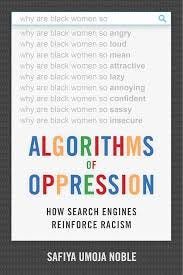
I also read this one in my digital geographies class. I remember learning a lot as Noble demonstrates how search engines reinforce racist stereotypes (e.g., searching "Black girls" historically yielding porn). She argues that these platforms are advertising companies that commodify identity, prioritizing profit over human dignity.
Dale Beran – It Came from Something Awful: How a Toxic Troll Army Accidentally Memed Donald Trump into Office (2019)
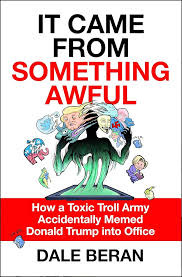
I read this history of 4chan shortly after it came out. Beran traces how the "loser" culture of the message boards metastasized into the alt-right. He argues that irony became a shield for genuine nihilism and rage. I am curious to read this again as we are now experiencing the mainstreaming of 4chan and QAnon conspiracy.
Byung-Chul Han – Psychopolitics: Neoliberalism and New Technologies of Power (2017)
This one sounds really good and I am always into Foucauldian discourse. In this book, Han argues that we have moved from Foucault’s "disciplinary society" (prisons/asylums) to a "achievement society." In this new regime, the subject is not coerced by the state, but voluntarily exploits themselves in the pursuit of optimization. The smartphone is the confessional booth and the work camp combined, where we strip-mine our own psyche for data.
Robert McRuer – Crip Theory: Cultural Signs of Queerness and Disability (2006)
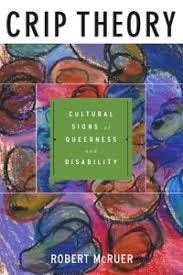
In this book, McRuer coins the term "compulsory able-bodiedness," arguing that capitalism demands a functioning, productive body in the same way it demands heterosexuality. The book links the oppression of queer bodies with the oppression of disabled bodies, offering a framework for "cripping" the system—breaking its demand for efficiency.
Guy Debord – The Society of the Spectacle (1967)
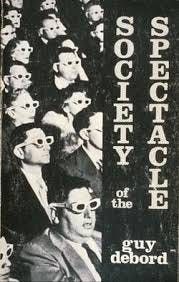
If you don’t have the time to get through books, I highly recommend this essay where Debord argues that in modern life, "being" has declined into "having," and "having" has declined into "appearing." The Spectacle is not a collection of images, but a social relationship between people that is mediated by images.
L.D. Green – We’ve Been Too Patient: Voices from Radical Mental Health--Stories and Research Challenging the Biomedical Model (2019)
A collection of radical mental health stories that reject the biomedical model. The writers frame their madness not as a chemical imbalance to be fixed, but as a reasonable response to a sick society. It centers the voice of the "psychiatric survivor."
Jasbir Puar – The Right to Maim: Debility, Capacity, Disability (2017)
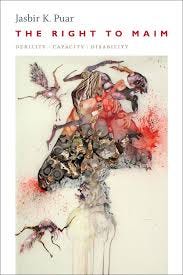
In this book, Puar introduces the concept of "Debilitation"—distinct from "Disability." She argues that modern states do not seek to kill populations, but to keep them in a state of permanent injury or debilitation to extract profit and maintain control. I am interested in the ways this book may provide a frame for how the "burnout" of the digital age is not an accident, but a biopolitical goal.
Achille Mbembe – Necropolitics (2003)
More Foucault! Sorry, not sorry. I did have actual Foucault on here but I will keep that to myself and the citation list (hehe!). Mbembe expands Foucault’s biopolitics to define "necropolitics"—the power of the state to dictate who may live and who must die.
Alexander G. Weheliye – Habeas Viscus: Racializing Assemblages, Biopolitics, and Black Feminist Theories of the Human (2014)
And more biopolitics. In this book, Weheliye critiques the western definition of "human," distinguishing between the "body" (legal subject) and the "flesh" (the violated, un-gendered matter).
Yanis Varoufakis – Technofeudalism: What Killed Capitalism (2013)
This book is great! Technofeudalism is at the core of what I want to explore this writing experiment. In this book, Varoufakis argues we are no longer citizens or even consumers; we are "cloud serfs." Every time you scroll, post, or pause, you are tilling the land for a digital lord (Bezos, Musk, Zuckerberg) who takes a cut of your attention. This book explains why you feel "owned" by the internet—because economically, you are.
Cory Doctorow – Enshittification: Why Everything Suddenly Got Worse and What to Do About It (2023)
I have started this one already and am loving it. I highly recommend and will share more soon as I am still processing and taking notes :)
Katherine May – Wintering: The Power of Rest and Retreat in Difficult Times (2020)
A memoir about the necessity of retreat. May argues that "Wintering" (sadness, rest, dormancy) is a natural, cyclic part of life that capitalism tries to pathologize. It is a defense of the "fallow" period which I am very into. I want to read this next as I think it will accompany another one of my current reads, Rest is Resistance by Tricia Hersey.
Lauren Berlant – Cruel Optimism (2011)
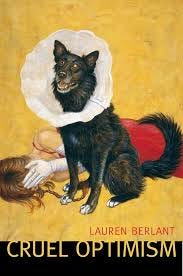
I have read this before but I don’t remember it because I was reading a lot on emotions at the time but in this book, Berlant defines "Cruel Optimism" as the attachment to a dream that is actually hurting you.
Shoshana Zuboff – The Age of Surveillance Capitalism: The Fight for a Human Future at the New Frontier of Power (2019)
This one has come up a lot lately so excited to finally dive in. Book club anyone?
In this book, Zuboff explains that the product isn't the ad; the product is the "behavioral surplus"—the data of your future actions. The system doesn't just want to know what you buy; it wants to know when you will break, when you will get pregnant, and when you will vote.
Margaret Price – Crip Spacetime: Access, Failure, and Accountability in Academic Life (2024)
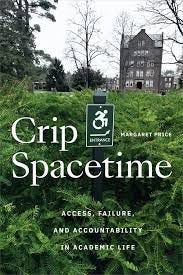
This one sounds juicy. In this book, Price analyzes the academic/institutional clock. She argues that “Crip Time” is not just “being late”; it is a fundamental mismatch between the disabled body-mind and the rigid, linear demands of the institution.
Paul B. Preciado – Testo Junkie: Sex, Drugs, and Biopolitics in the Pharmacopornographic Era (2008)

Okay new favorite word: Pharmacopornographic. In this book, Preciado argues that capitalism no longer produces goods, but produces "subjectivity" itself through hormones, drugs, and digital porn. Using his own transition and administration of testosterone as a case study, he maps how the body has become the primary studio for the production of capital.
Marisa Elena Duarte – Network Sovereignty: Building the Internet across Indian Country (Indigenous Confluences) (2017)
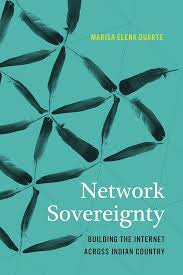
Another read from Digital Geographies course that I really enjoyed. In this book, Duarte examines how Indigenous Nations are building their own internet infrastructure to reclaim sovereignty. It provides a non-western, anti-colonial model for what the internet could be.
Leah Lakshmi Piepzna-Samarasinha – The Future Is Disabled: Prophecies, Love Notes and Mourning Songs (2022)
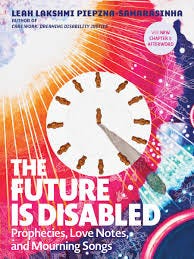
Excited for this one as well. This book argues that in a world of pandemic and climate collapse, disabled people are the "experts" of the future because they already know how to build networks of care outside the state.
Barbara Creed – The Monstrous-Feminine: Film, Feminism, Psychoanalysis (1993)
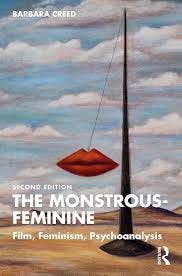
Another favorite I haven’t read fully through but interested in doing so. In this book, Creed analyzes horror film tropes (the alien queen, the possessed girl) to argue that the "monstrous" is specifically tied to the female reproductive body.
Fred Moten & Stefano Harney – The Undercommons: Fugitive Planning & Black Study (2013)
This one seems interesting. In this book, Moten and Harney argue that you cannot "fix" the university or the state; you must steal from it while living in the "undercommons"—the informal, social networks of care that exist beneath the institution.
Resmaa Menakem – My Grandmother’s Hands: Racialized Trauma and the Mending of Our Bodies and Hearts (2017)
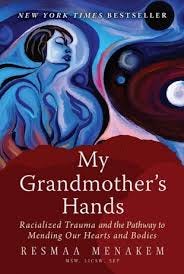
I have wanted to read this one for a while and looking forward to prioritizing. In this book, Menakem argues that white supremacy is not just a political ideology, but a physical reflex stored in the nervous system. The book offers body-based practices for metabolizing this trauma, moving resistance out of the "head" and into the "flesh."
Jackie Wang – Carceral Capitalism (2018)
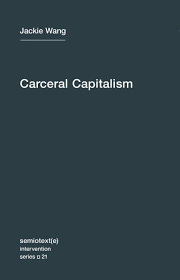
In this book, Wang connects the "New Jim Code" to the "Debt Economy." She argues that the state has become "parasitic"—it no longer serves the poor, but feeds on them through fines, fees, and automated debt collection. She introduces "algorithmic policing" to show how the "risk assessment" score is just a digital method of keeping Black populations in a permanent state of financial imprisonment.
Jonathan Crary – 24/7: Late Capitalism and the Ends of Sleep. (2013)
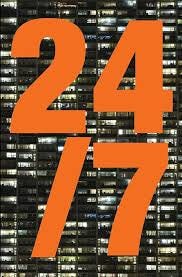
In this book, Crary argues that sleep is the last remaining barrier to capitalism. It is the only time we are not producing or consuming however, the "24/7" nature of the internet is a weapon designed to erode the "non-time" of sleep.
Jean Baudrillard – Simulacra and Simulation (1981)

Baudrillard argues that we have lost contact with the "real." We live in the "hyperreal," where the map (the profile) precedes the territory (the person). He uses the example of Disneyland: it exists to make the rest of America look "real," when in fact, the whole country is a theme park.
Sarah T. Roberts – Behind the Screen: Content Moderation in the Shadows of Social Media (2019)
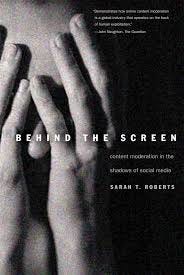
In this book, Roberts documents the “Commercial Content Moderators” (CCM)—the invisible army of low-wage workers (often in the Philippines) who scrub the internet of beheadings, child porn, and torture so that the “feed” looks clean for the western user. It destroys the myth of “AI Moderation.” The internet isn’t cleaned by code; it is cleaned by human trauma.
Simon Lindgren – Critical Theory of AI (2023)
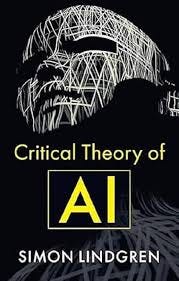
Moving beyond the soft critique of "AI Ethics" (bias/fairness), Lindgren applies Marxist and Critical Theory to the code itself. He argues that AI is not a neutral tool but an ideology engine that manufactures "Artificial Consensus." The book posits that Large Language Models act as "conservative" forces, flattening the complexity of human thought into a statistical average, effectively enclosing the future within the data of the past.
Celia Pearce – Playframes: How Do We Know We Are Playing (2024)
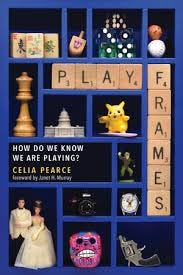
A game design theorist applies the sociology of Erving Goffman to the internet. Pearce argues that digital spaces rely on "Playframes"—agreed-upon rules of what is real and what is a game. The book culminates in an analysis of the January 6th insurrection, arguing it was not a traditional political coup, but a "Playframe Breach" where the "Alternate Reality Game" (QAnon) collided violently with physical governance. It defines the mechanism by which "LARPing" becomes lethal.
Have you read anything on here? What were your thoughts? What would you add to the list or pass?
Also I linked these to Pagebound which I have recently become obsessed with. Fun indie platform. In terms getting books, support your local book store, libraries or the archives of anna (iykyk).

Love love love Iris Marion Young and Ruha Benjamin. I will say that The Age of Surveillance Capitalism is very dense. Enlightening for sure, but very long, almost unnecessarily so. You might have read that one already, but I can highly recommend The Queer Art of Failure by Jack Halberstam. That would fit right into your list.
This synthesis across surveillance capitalism, crip theory, and necropolitics is incredibly powerfull. The way Federici and Zuboff bookend this list makes total sense for tracing how enclosure moved from land to data. I got halfway through Crary's sleep book last year and it completly reframed how I see bedtime scrolling as a deliberate erosion rather than just bad habit. The inclusion of Preciado and Haraway feels especially relevant given how pharmacopornographic feels like the only accurate term for whatever late-stage internet we're living through now.